
How to Move a Mobile Home Interstate: Complete Step-by-Step Guide for 2026
From permits to setup — everything you need to know about relocating your manufactured home across state lines.

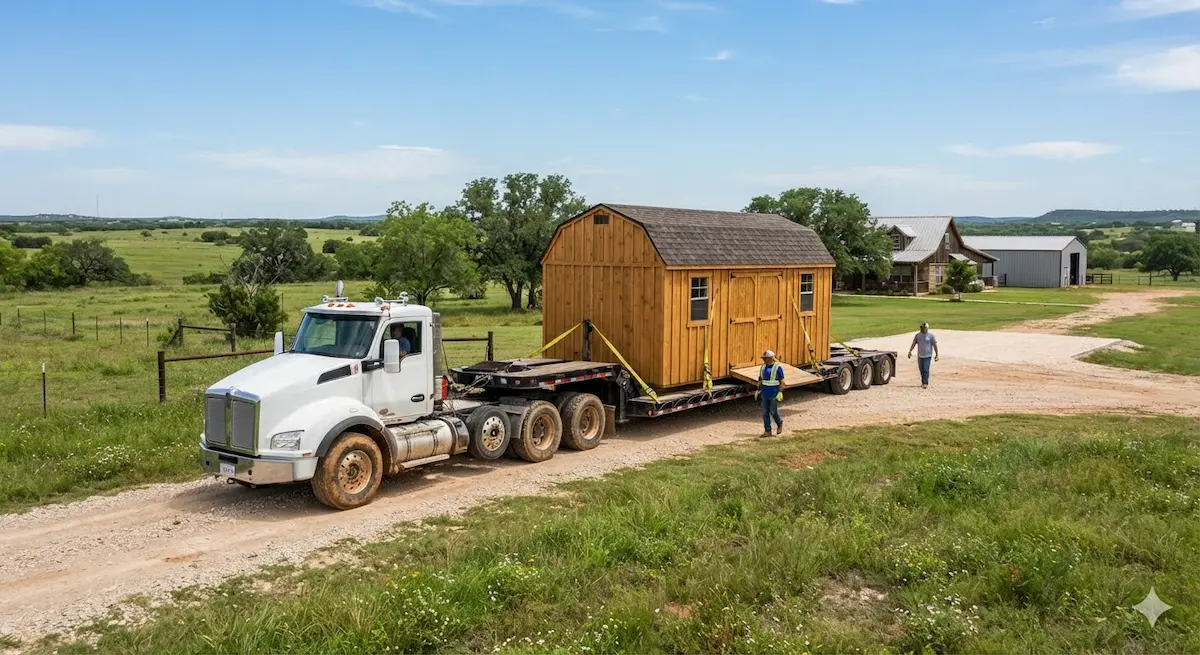
Transporting a mobile home across state lines requires specialized equipment and careful planning. See our full transport services →
Moving a mobile home interstate is one of the most complex relocation projects you can undertake. Unlike a standard household move, it involves navigating a labyrinth of state regulations, oversize-load permits, route surveys, utility disconnections, and specialized transport equipment — all while ensuring your home arrives safely and is properly set up at the new site.
This comprehensive guide walks you through the entire mobile home moving process and timeline, from the initial planning stages to the final inspection at your new location. Whether you’re moving a single-wide from Virginia to Texas or a double-wide from Florida to North Carolina, you’ll find everything you need to know right here.
We’ll cover cost factors, legal requirements, state-by-state regulations, and practical tips to help you avoid common pitfalls and ensure a smooth relocation. Let’s dive in.
What’s Inside This Guide
What Is Interstate Mobile Home Moving?
Interstate mobile home moving refers to the process of relocating a manufactured, mobile, or modular home from one state to another. It’s a highly specialized service that requires:
- Specialized hydraulic trailers capable of carrying the weight and dimensions of a mobile home
- Oversize-load permits from every state the route passes through
- Certified pilot escorts to ensure safe passage on highways
- Route surveys to verify bridge clearances, weight limits, and turn radiuses
- Utility disconnection and reconnection coordination
- On-site setup, leveling, and anchoring at the destination
At Interstate Mobile Home Movers, we handle every step of this process under one roof. Based in Richmond, Virginia, we’ve helped hundreds of families relocate their homes safely across state lines since 2009.
The Complete Mobile Home Moving Process and Timeline
Understanding the timeline helps you plan your move with confidence. Here’s a step-by-step breakdown of what to expect:
Step 1: Initial Consultation & Quote (1–3 Days)
Contact a professional mover to discuss your move. You’ll need to provide:
- Your current location and destination address
- The size and type of home (single-wide, double-wide, modular)
- The year of manufacture (homes built before 1976 have special requirements)
- Any specific needs (demolition, shed moving, heavy equipment transport)
Get a free, no-obligation quote to understand your costs upfront.
Step 2: Site Inspection & Preparation (1–2 Weeks)
Your mover will inspect the home and both sites to:
- Assess the home’s condition and structural integrity
- Identify any obstacles (trees, power lines, narrow roads)
- Verify that the destination site is ready (foundation, utilities, access)
Step 3: Permit Applications (2–5 Business Days per State)
This is where the real work begins. Each state requires an oversize-load permit, and the timeline varies by state. We handle all permit coordination as part of our service.
Step 4: Transport Day (1–3 Days)
On moving day, our crew will:
- Disconnect utilities (power, water, gas, sewer)
- Prepare the home for transport (removing skirting, securing loose items)
- Load the home onto the hydraulic trailer
- Transport it along the planned route with escorts
Step 5: Setup, Leveling & Anchoring (1–3 Days)
Once the home arrives, we position it on the new site, level it, install anchoring systems (including hurricane tie-downs in Florida and coastal areas), and attach skirting. We perform a final inspection to ensure everything is move-in ready.
Cost to Move a Mobile Home Long Distance: Full Breakdown
One of the most common questions we hear is: “How much does it cost to move a mobile home long distance?” The answer depends on several factors. Here’s a detailed breakdown to help you budget.
| Move Type | Distance | Estimated Cost Range | Key Factors |
|---|---|---|---|
| Single-Wide | Local (under 50 mi) | $1,500 – $5,000 | Permits, site access, home condition |
| Single-Wide | Long-Distance (200+ mi) | $5 – $10 per mile | State permits, escorts, route complexity |
| Double-Wide | Local (under 50 mi) | $3,000 – $10,000 | Two sections, heavier load, setup time |
| Double-Wide | Long-Distance (200+ mi) | $7 – $15+ per mile | Multiple permits, pilot cars, leveling |
Additional Factors That Affect Cost
- Home Age: Pre-1976 homes often require extra inspections and special handling.
- Route Complexity: Urban areas, mountain passes, and coastal routes may require additional escorts and permits.
- Seasonality: Summer months are peak moving season; scheduling in spring or fall can be more affordable.
- Demolition or Shed Moving: If you need additional services like mobile home demolition or shed moving, expect added costs.
For a precise estimate tailored to your specific move, request a custom quote — it’s free and comes with no obligations.
Mobile Home Moving Laws and Regulations: What You Must Know
Mobile home moving laws and regulations are complex and vary by state. Here’s what you need to know to stay compliant and avoid fines.
Federal Regulations (FMCSA)
The Federal Motor Carrier Safety Administration (FMCSA) sets baseline rules for all interstate transport:
- Any load exceeding 8’6″ in width requires an oversize-load permit.
- Height restrictions (typically 13’6″ to 14′) require route surveys for bridge and overpass clearances.
- Weight limits vary by state and road type — we verify every route before departure.
- Escort vehicles are mandatory in many states for loads exceeding specific dimensions.
State-Specific Regulations
Each state has its own DOT requirements. For example:
- Florida requires hurricane-zone tie-downs and special anchoring systems.
- Texas has unique regulations for pre-HUD homes and rural route planning.
- Virginia imposes daylight-only movement restrictions in many areas.
We handle all permit coordination and ensure full compliance with mobile home moving laws and regulations in every state we serve.
State-by-State Mobile Home Moving Regulations
We’ve compiled a quick reference guide for the states we serve most frequently. Each link takes you to a detailed page about that state’s specific requirements.
Virginia
Our home base. Virginia requires oversize-load permits for any load exceeding state dimensions, with daylight-only movement restrictions in many areas. Learn more about Virginia moves →
Texas
Texas has specific regulations for pre-HUD homes and rural route planning. We provide full transport services throughout the state, including Houston, Dallas, San Antonio, and Austin. View Texas services →
Florida
Florida’s hurricane zones mean stringent tie-down and anchoring requirements. Our team is equipped to meet these standards. Explore Florida moves →
Setup, Leveling, and Anchoring Services
Transporting your home is only half the journey. Proper setup, leveling, and anchoring are critical for the long-term stability and safety of your home.
Blocking and Leveling
Over time, mobile homes can settle unevenly, causing sloping floors, sticking doors, and structural stress. Our re-leveling service corrects these issues by adjusting piers, blocks, and support points.
Anchoring and Tie-Downs
Proper anchoring is essential, especially in high-wind areas. We install tie-downs per state code, including hurricane-strap systems for Florida and coastal regions.
Skirting and Final Touches
Skirting protects your home’s underside, improves energy efficiency, and enhances curb appeal. We provide skirting coordination as part of our full-service packages.
Safety and Insurance: Protecting Your Investment
When you’re moving a home across state lines, safety and insurance should be top priorities. Here’s what you need to know:
Types of Coverage
- Released Value Protection: Basic coverage included at no extra cost. Liability is limited to a nominal amount per pound per item.
- Full Value Protection: Enhanced coverage with greater protection. The carrier is responsible for the full value of lost or damaged items.
We recommend discussing your insurance options with your mover before the move. Read our full safety and insurance policy →
Our Safety Commitment
- All crews are fully trained and experienced
- Equipment is regularly inspected and maintained
- We follow all FMCSA regulations
- Detailed safety protocols for every move
Frequently Asked Questions
The entire process typically takes 2 to 4 weeks from initial consultation to final setup. Permit approval (2–5 business days per state) is often the longest step. View the full FAQ →
While technically possible, we strongly advise against it. Interstate moves require specialized equipment, permits, and insurance that only professional movers can provide. DIY moves often result in fines, damage, or safety hazards.
We provide full service throughout Virginia, Texas, Florida, Maryland, Washington DC, North Carolina, and South Carolina. We also handle long-haul moves to all 50 states on a case-by-case basis. See all service areas →
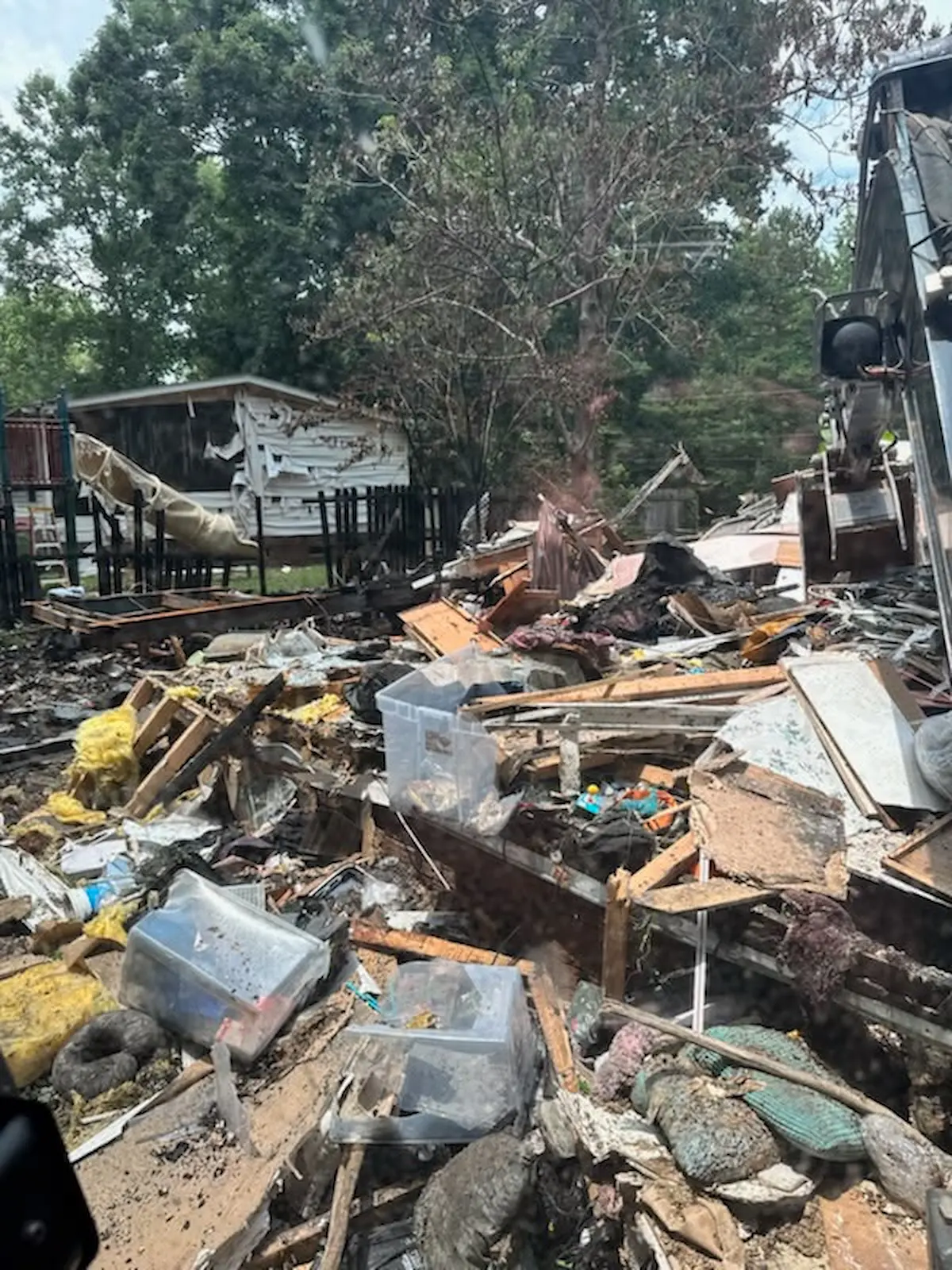
Yes. We provide complete mobile home demolition services, including utility disconnection, structural teardown, debris hauling, and site cleanup.
Costs typically range from $5 to $15+ per mile for long-distance moves, depending on home size, route complexity, and state permit requirements. Get a free custom quote →
Ready to Start Your Interstate Move?
Moving a mobile home across state lines is a big decision — but with the right partner, it can be a smooth and stress-free experience. Interstate Mobile Home Movers handles every detail, from permits to transport to setup, so you can focus on your new beginning.
Get Your Free Quote Today